
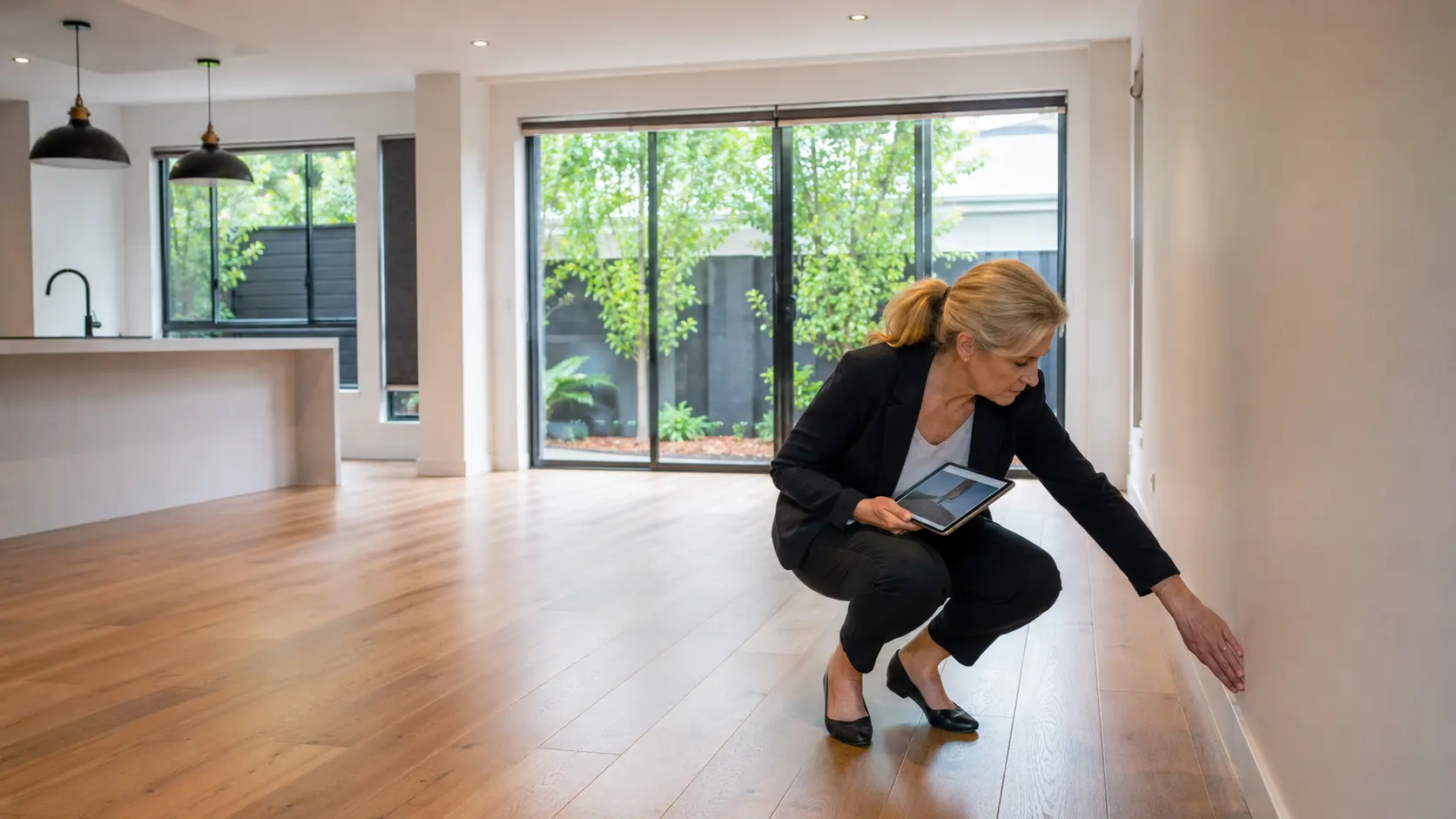
How to Write a Residential Sales Case Study.
Learn how to turn a completed property campaign into a clear, credible case study that demonstrates the agent’s preparation, judgement, communication and negotiation without relying on exaggerated claims.
A sales case study explains how an agent helped a homeowner move from a property challenge to a completed sale.
It provides more depth than a “Just Sold” post because it shows the decisions made during the campaign. This helps future sellers understand how the agent works, not simply what the property sold for.
A good case study does not need a record result or a dramatic story. An ordinary sale can still demonstrate careful preparation, honest advice, clear communication and sound negotiation.
Choose a Campaign With a Useful Lesson.
Not every sale needs to become a full case study.
Choose a campaign that demonstrates something future sellers may find helpful, such as:
Preparing a property within a limited budget
Selling a tenanted investment
Managing a sale for an interstate owner
Attracting several buyer groups
Choosing between auction and private treaty
Repositioning a property after a slow start
Handling several offers with different conditions
Selling an unusual property
Managing a tight settlement timeframe
Protecting the seller’s privacy
Coordinating a sale before the owner’s next purchase
Improving presentation without major renovations
The lesson should be more important than the agent’s achievement.
Confirm Permission and Facts.
Before writing, decide what information can be published.
Check:
Whether the seller has agreed to the case study
Whether the property address can be included
Whether photographs can be reused
Whether the sale price can be published
Whether the client can be named
Whether their testimonial can be quoted
Which campaign figures are accurate
Whether any information remains confidential
Do not assume that permission to market the property includes permission to publish the seller’s personal circumstances after the sale.
If privacy is important, describe the situation more generally and remove details that could identify the client.
Give the Case Study a Specific Title.
The title should explain the campaign or lesson.
Examples include:
Preparing a Family Home for Sale Without Overcapitalising
How Careful Buyer Follow-Up Created Multiple Offers
Selling an Investment Property for an Interstate Owner
Repositioning a Property After an Unsuccessful Campaign
Managing the Sale of a Tenanted Apartment
Creating Competition for a Home With an Unusual Layout
Coordinating a Sale Around the Seller’s Next Purchase
Avoid titles such as:
Another Amazing Result
Sold by the Best
We Did It Again
Record-Breaking Success
Vendor Ecstatic With Huge Price
A specific title gives the reader a reason to continue.
Begin With a Short Campaign Summary.
Start with the basic facts.
You may include:
Suburb
Property type
Number of bedrooms and bathrooms
Sale method
Length of campaign
Number of inspections
Number of offers
Sale price, where approved
The main campaign challenge
The seller’s main goal
Keep this section easy to scan.
Do not include numbers simply because they look impressive. Each figure should help explain the campaign.
Explain the Seller’s Situation.
The reader needs to understand where the story began.
Describe:
Why the owner was selling
What they needed from the campaign
Their preferred timeframe
Any preparation limits
Privacy concerns
Tenancy arrangements
Property features affecting the sale
Previous selling experience where relevant
Keep the focus on the property decision.
There is rarely a need to reveal personal financial details, family disagreements, health issues or other sensitive information.
Describe the Main Challenge.
A useful case study includes a real problem or decision.
The challenge may have been:
Limited preparation time
A dated interior
Difficult inspection access
A highly specialised buyer group
Competing properties
An unusual floor plan
A quiet market
A previous unsuccessful campaign
The need for a longer settlement
Selling while the owner lived interstate
Maintaining tenant cooperation
Do not invent difficulty to make the story more dramatic. If the campaign was straightforward, focus on the preparation or strategy that helped it remain straightforward.
Explain the Strategy and the Reasoning.
This is the most valuable part of the case study.
Explain what you recommended and why.
The strategy may include:
Completing selected repairs
Styling only the main rooms
Adjusting the photography approach
Targeting a particular buyer group
Choosing auction or private treaty
Contacting previous buyers
Working with buyers agents
Changing inspection times
Creating a stronger floor plan
Using video to explain the property
Providing buyers with information earlier
Adjusting the campaign after feedback
Do not simply list the marketing products used.
“Professional photography, video and online advertising” describes the materials. It does not explain the strategy.
Connect each decision to the property and likely buyer.
Show How the Campaign Was Managed.
The case study should also explain what happened after launch.
You may discuss:
Early buyer response
Common questions
Inspection activity
Changes in buyer interest
Feedback provided to the owner
Campaign adjustments
Repeat inspections
Contract requests
Offer activity
Communication with the seller
This shows that the agent actively managed the campaign rather than placing the property online and waiting.
Protect buyer confidentiality. Do not publish names, personal circumstances or offer details that should remain private.
Explain the Negotiation Carefully.
Negotiation can demonstrate skill, but it should not be presented as a performance.
Explain:
How buyer interest was assessed
How offers were clarified
How different conditions were compared
How the seller was kept informed
How competition was managed
Why the final offer suited the seller’s priorities
Price is only one part of an offer. Deposit, conditions, settlement timing and certainty may also matter.
Avoid claims that cannot be supported, such as saying that the agent added a specific dollar amount to the result.
Present the Outcome in Context.
The result may include:
Final sale price
Time on market
Number of offers
An unconditional contract
Suitable settlement terms
Completion within the seller’s timeframe
A smooth tenanted sale
A sale after an earlier failed campaign
Reduced preparation costs
A confidential result
Explain how the result connected with the seller’s original goal.
Do not suggest that the same strategy will produce the same outcome for every property.
Include the Client’s Perspective.
A short client quote can add credibility.
The strongest testimonials often mention:
Communication
Preparation
Advice
Professionalism
Problem-solving
Negotiation
Support during difficult decisions
The overall experience
Use the client’s real words and gain permission before publishing them.
Do not rewrite a testimonial so heavily that it no longer sounds like the client.
Finish With a Useful Lesson.
End by explaining what another homeowner can learn from the campaign.
For example:
“This campaign showed that careful preparation does not always require a full renovation. By concentrating on presentation, minor repairs and clear buyer targeting, the owner was able to launch within the required timeframe.”
Then offer a natural next step:
“If you are deciding what work to complete before selling, an early property review can help you compare the options.”
The call to action should relate to the case study.
Use a Repeatable Case Study Structure.
A simple structure is:
Campaign snapshot
Seller’s situation
Main challenge
Recommended strategy
Campaign response
Negotiation approach
Final outcome
Client feedback
Lesson for other sellers
Relevant next step
This structure provides consistency while allowing every property story to remain different.
Repurpose the Case Study.
One completed case study can become:
A website article
A proposal page
A social media carousel
A short video
An email newsletter section
A Google Business Profile post
A printed appraisal handout
A referral partner example
A short presentation story
Use a shorter version for social media and keep the detailed explanation on your website.
Common Case Study Mistakes.
Avoid:
Writing only about the sale price
Making the agent the hero of every paragraph
Inventing a challenge
Publishing private client details
Using unsupported claims
Listing marketing products without explaining the strategy
Ignoring the seller’s original goal
Changing the client’s testimonial
Suggesting every seller will receive the same result
Using exaggerated titles
Failing to explain what another homeowner can learn
Residential Sales Case Study Checklist.
Before publishing, check that you have:
Selected a campaign with a useful lesson
Confirmed the seller’s permission
Checked every campaign fact
Protected seller and buyer privacy
Written a specific title
Explained the seller’s situation
Identified the real challenge
Described the strategy and reasoning
Shown how the campaign was managed
Explained the outcome in context
Used an approved client quote
Included a useful lesson
Added a relevant next step
Avoided promises about future results
A well-written case study is evidence of how the agent works.
It allows future sellers to see the thought, care and judgement behind a campaign. That is far more persuasive than simply announcing that another property has sold.